Namibia is an independent country located in southern Africa, between South Africa on the east and the Atlantic Ocean on the west. From 1920 until 1990, it was a part of the Republic of South Africa. At that time, after years of violence and political turmoil, South Africa yielded to international pressure, including the United Nations, and granted full independence.
Sossusvlei Dunes is probably the most famous part of Namibia and consists of a large flat desert area, in the southern Namib Desert, that is surrounded by huge red sand dunes. These spectacular red dunes are wonderfully photogenic by day and magical in the evening and night. The images here include shots of what has become known as “
Dune 45,” which is, in all likelihood, the most photographed sand dune in the world. Though it is not the highest dune in the world, nor even in Namibia, it has become an iconic photography subject, because of its beautiful shape and the photogenic trees that stand directly in front of it. Another interesting location in this area is known as
Deadvlei. Years ago, it was an oasis in the Namib Desert, with numerous Acacia Trees. When the river changed its course, the area dried up, leaving a surreal landscape of bright red sand dunes, the white, salty floor of the desert pan, and the blackened, dead Acacia trees.
The
Skeleton Coast, or more precisely the Skeleton Coast National Park, was originally named because of the large number of ships that foundered on the fringing reefs or were run aground by strong wind and currents and also because the sailors who did not drown in a shipwrecks seldom survived the hundreds of kilometers of barren Namibian Desert that separated the coast from livable areas inland.
Himba Indians. The
Himba are a tribe of nomadic people, indigenous to the inland areas of the Skeleton Coast. They suffered considerable hardship under South African rule and in the war years prior to 1990, but they have fared much better since independence. By tribal tradition, they wear few clothes other than a loin cloth or short skirt and, for protection against the sun, rub their bodies with a red ochre. In addition, the Himba women are known for their intricate hairstyles and elegant jewelry.
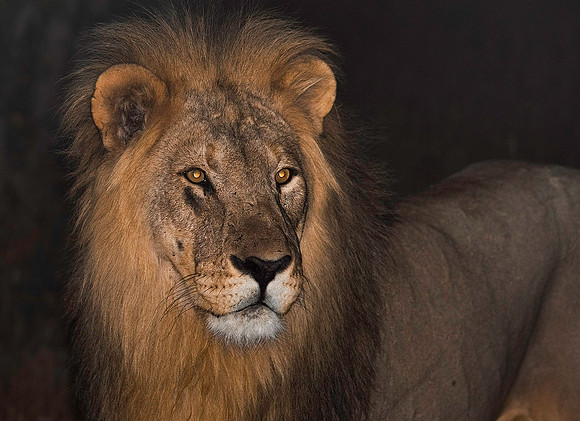
Etosha National Park is a game park that lies inland, in northern Namibia, and boasts a terrific assortment of traditional East and South African wildlife.